
Practice area · Leasing
Clear leasing advice for landlords and tenants
Commercial and retail leases can shape a business for years. We help clients review terms carefully, understand obligations and negotiate from a stronger position.
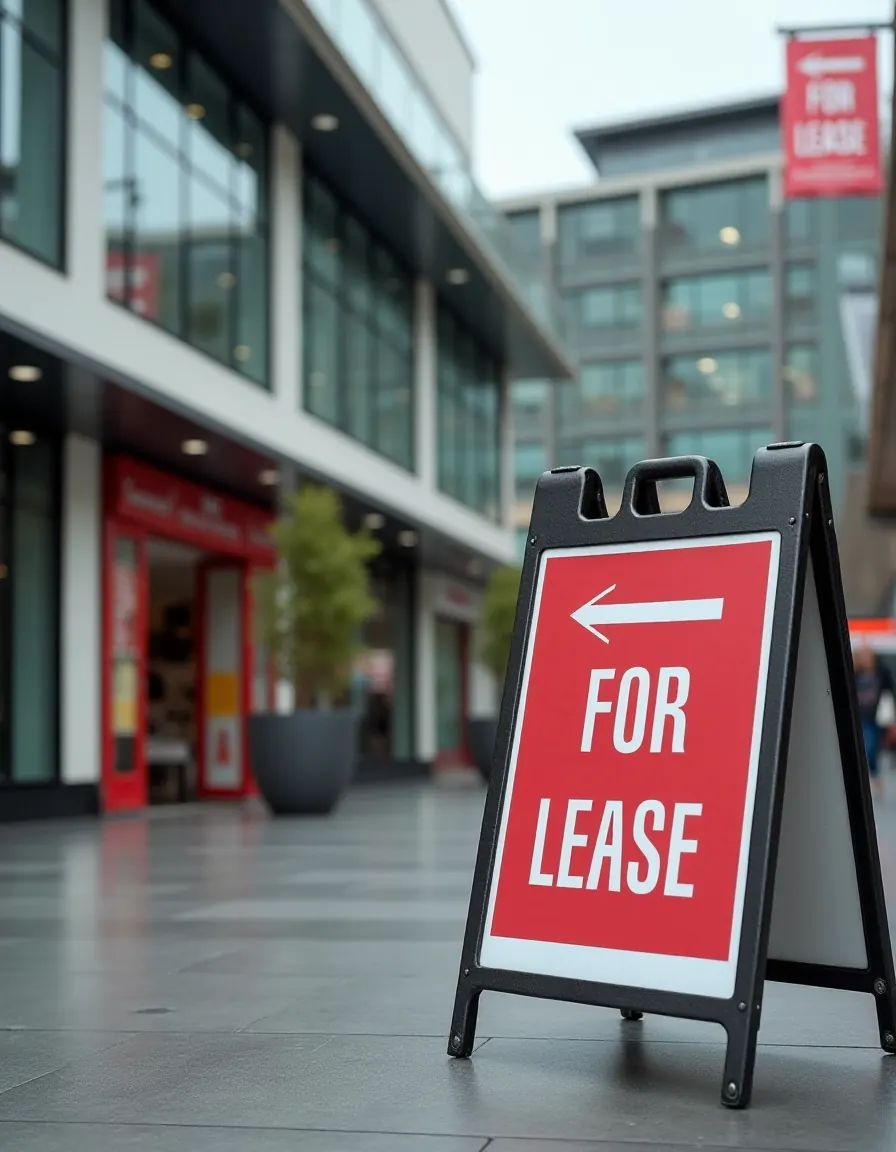
Commercial and retail leases can shape a business for years. We help clients review terms carefully, understand obligations and negotiate from a stronger position.
Who we act for: we act for landlords, tenants, business owners, commercial property owners, managing agents and franchise operators.
From our Robina office we act for landlords, tenants and business operators across the Gold Coast, working with agents, centre managers and financiers to keep lease matters moving.
Before you sign
Lease review before signing
A lease can create long-term financial and legal obligations. Before signing a lease, agreement for lease, offer to lease or heads of agreement, it is important to understand the commercial deal and the legal consequences of the document.
Carter Green Law Practice assists landlords and tenants with commercial, industrial and retail leasing across Queensland. We review, prepare and negotiate lease documents with a focus on practical risk, commercial clarity and avoiding future disputes.
For tenants, a lease review should consider:
- the term of the lease and any option periods
- rent, rent reviews and market review mechanisms
- outgoings and other charges
- incentives and clawback provisions
- permitted use and approvals
- make good obligations
- repair and maintenance obligations
- personal guarantees and security
- assignment and subletting rights
- relocation or demolition clauses
- default and termination rights
- insurance obligations
- signage, car parking and access rights
For landlords, the lease should clearly document the commercial arrangement, protect the property, secure payment obligations and provide workable remedies if the tenant defaults.
It is usually better to resolve leasing issues before signing. Once the lease or offer is signed, the parties may have limited room to renegotiate.
For landlords
For landlords
We assist landlords with the preparation, review and negotiation of commercial, industrial and retail leases. A well-prepared lease should clearly set out the tenant’s obligations, protect the value of the property and reduce the risk of uncertainty during the term.
Our leasing work for landlords includes:
- preparing leases and disclosure documents
- reviewing offers to lease and heads of agreement
- negotiating lease terms
- documenting rent, outgoings and rent review mechanisms
- dealing with incentives and incentive clawback provisions
- preparing security deposit, bank guarantee and personal guarantee clauses
- addressing permitted use and compliance obligations
- preparing assignment, sublease and licence documentation
- advising on tenant default, breach notices and termination rights
- documenting make good and end-of-lease obligations
For landlords, clarity is critical. The lease should properly deal with who is responsible for repairs, maintenance, outgoings, approvals, insurance, fitout works and reinstatement at the end of the term.
We work with landlords, managing agents and commercial real estate agents to ensure the lease reflects the agreed commercial terms and is suitable for the property.
For tenants
For tenants
We assist tenants by reviewing lease documents before they commit to long-term obligations. Our focus is to explain the lease in plain English, identify commercial risks and suggest practical amendments where appropriate.
A lease review can help tenants understand:
- the total cost of occupation
- whether outgoings are fixed, estimated or recoverable
- how rent increases will be calculated
- whether incentives can be clawed back
- what security or guarantees are required
- whether the permitted use is broad enough
- what approvals are needed for the business
- who maintains and repairs the premises
- what happens at the end of the lease
- whether an option period is properly documented
Tenants should be particularly careful with personal guarantees, make good obligations, relocation clauses, demolition clauses, outgoings, rent review provisions and incentive clawback clauses. These provisions can have significant financial consequences if they are not understood before signing.
We provide practical advice designed to help tenants make informed decisions before they commit.
Retail leases
Retail shop leases
Retail shop leases in Queensland are subject to specific legal requirements. Depending on the premises and the type of business, the lease may be regulated by retail shop lease legislation. This can affect disclosure obligations, timing, legal advice requirements, outgoings, rent review provisions and other leasing issues.
Carter Green Law Practice assists both landlords and tenants with retail shop leases, including:
- reviewing whether retail shop lease requirements may apply
- preparing and reviewing disclosure statements
- advising on lease terms before signing
- reviewing outgoings and rent review clauses
- advising on options, assignments and renewals
- dealing with fitout, signage and trading obligations
- assisting with lease disputes and end-of-lease issues
Retail leasing can be technical. If you are entering into a lease for a shop, showroom, food premises, allied health premises, service business or other retail-style use, it is important to obtain advice before signing.
Process and next steps
If you are about to sign, renew or assign a lease, contact us before the document is finalised. Early review usually provides the clearest value.
Where a lease forms part of a broader business sale or purchase, our commercial business law service can assist with the related documents.
Contact our office
- Visit43 Commerce Drive, Robina QLD 4226
- Phone(07) 5575 9555
- Emailinfo@cartergreen.com.au
- HoursMonday to Friday, 8:30 am – 5:00 pm
FAQ
Frequently asked questions
Should I sign an offer to lease before getting advice?
Ideally, no. An offer to lease or heads of agreement may create binding obligations, depending on how it is drafted. Even if it is intended to be preliminary, it can lock in key commercial terms that become difficult to change later. It is safer to obtain advice before signing.
What is a make good clause?
A make good clause sets out what the tenant must do at the end of the lease. This may include removing fitout, repairing damage, repainting, replacing floor coverings or returning the premises to a particular condition. Make good obligations can be expensive, so they should be clearly understood before signing.
What are outgoings?
Outgoings are property-related expenses that a landlord may seek to recover from the tenant. They can include rates, water, insurance, body corporate levies, maintenance costs, management fees and other expenses, depending on the lease. Tenants should understand which outgoings are recoverable and how they are calculated.
What is a lease incentive clawback?
A lease incentive clawback clause allows the landlord to recover some or all of an incentive if certain events occur, such as tenant default, early termination or assignment of the lease. Incentives may include rent-free periods, fitout contributions or reduced rent. The clawback wording should be carefully reviewed.
How do options work?
An option gives the tenant a right to renew the lease for a further term if the option is validly exercised. The lease will usually specify how and when the option must be exercised. If the tenant misses the option window or fails to comply with the lease requirements, the option may be lost.
Can a lease be assigned?
A lease can often be assigned, but usually only with the landlord’s consent and subject to the terms of the lease. The landlord may require financial information about the incoming tenant, payment of costs, updated security and formal assignment documents. Tenants should obtain advice before selling a business or transferring a lease.
Do I need legal advice for a commercial lease?
Yes. A commercial lease can expose a tenant or guarantor to substantial obligations over several years. For landlords, a poorly drafted lease can affect rent recovery, property control and future sale value. Legal advice before signing is usually far cheaper than trying to fix a leasing dispute later.